- Shrikrupa Soc Rees, Khalapur, Panvel-II Raigad Raigarh MH 410206 IN
- gethonoraryphd@gmail.com

Phone Number
+91-8655502244
+91-7893528657
Email Address
gethonoraryphd@gmail.com
+91-8655502244
+91-7893528657
gethonoraryphd@gmail.com


 by PhD Duniya
An honorary doctorate is one of the highest forms of recognition a university can give. It's awarded to people who have made an outstanding contribution to their field, their community, or society at large without requiring them to complete coursework, research, or exams like a traditional PhD.
If you're wondering how to receive an honorary doctorate , it's important to understand this upfront: a genuine honorary doctorate cannot be bought, applied for directly, or obtained "instantly." It is bestowed by an accredited university, usually through nomination by faculty, alumni, or institutional leadership. This guide walks you through exactly how the real process works, what makes someone a strong candidate, and how to steer clear of unaccredited services, including platforms like phdduniya that advertise honorary doctorates as something you can simply purchase.
What Is an Honorary Doctorate?
An honorary doctorate (also called an "honoris causa" degree) is a degree awarded "for the sake of honor," without the recipient completing the usual academic requirements. Common types include:
Universities award these degrees to recognize achievement, not to certify academic study.
Who Typically Receives an Honorary Doctorate?
Recipients usually fall into one or more of these categories:
A common thread runs through all of them: their achievements are public, documented, and verifiable, not self-reported.
How the Real Honorary Doctorate Process Works
Almost all accredited universities require that candidates be nominated , typically by:
You generally cannot nominate yourself, and you cannot pay a fee to be nominated.
A dedicated honors or awards committee reviews the nominee's
The nomination is typically approved by the university's board of trustees, senate, or governing council. This can take months, sometimes years.
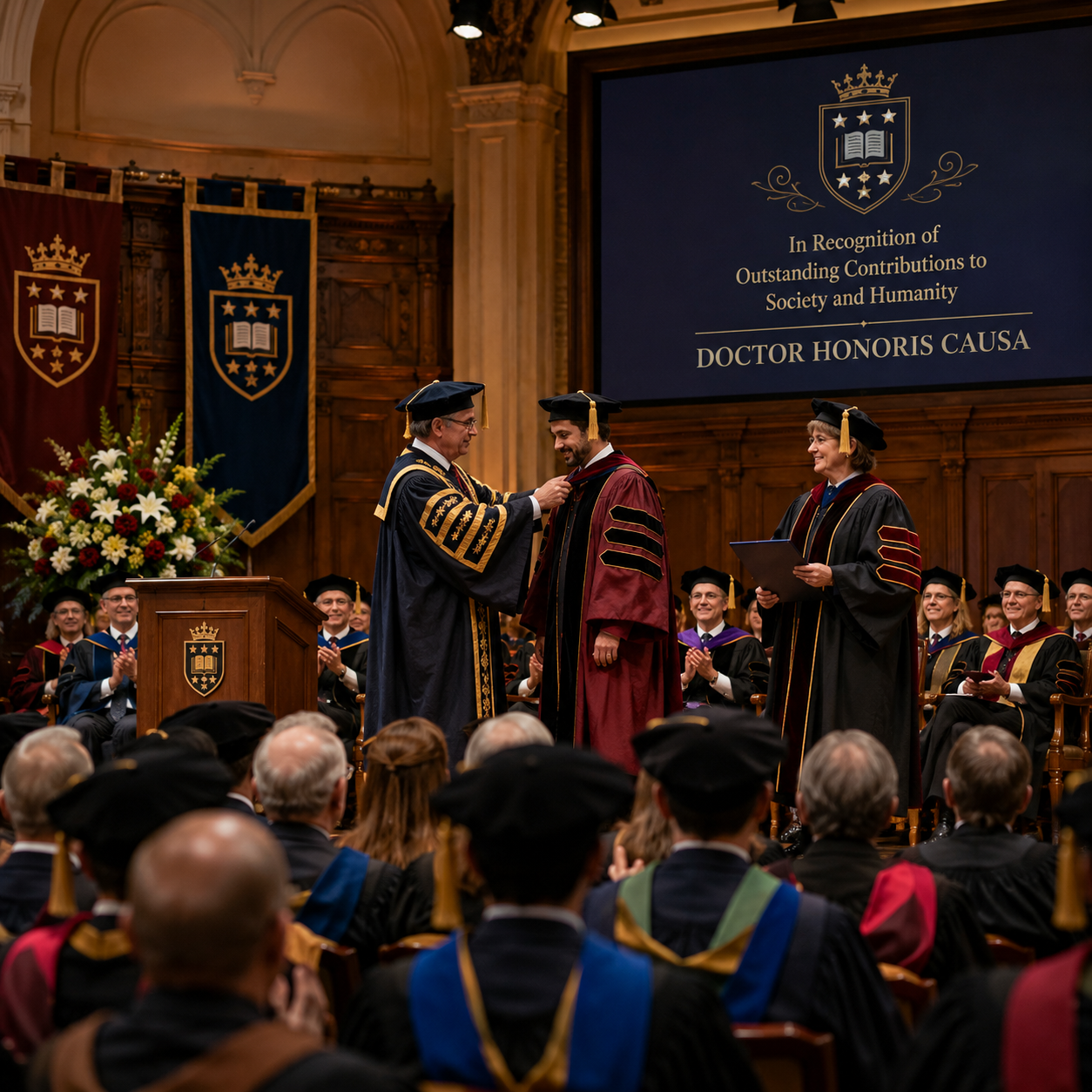
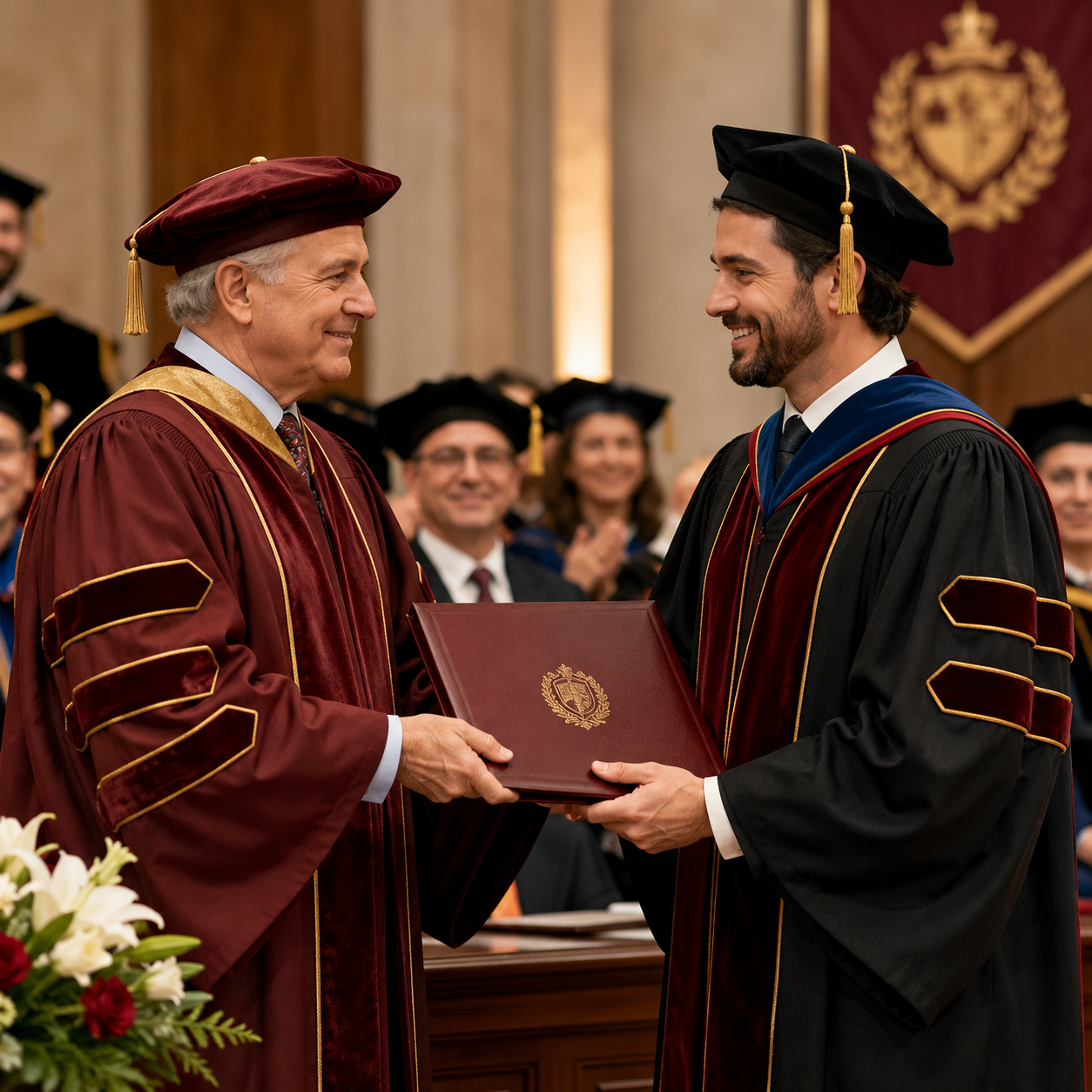
The degree is formally conferred often at a commencement ceremony where the recipient may be asked to give a speech.
Can You Apply for an Honorary Doctorate Yourself?
At accredited universities: no . There's no application form, portal, or fee-based process. If a website lets you "apply," "select a package," or "pay for fast processing," that is a strong signal it is not an accredited academic credential.
Red Flags: How to Spot Fake or Unaccredited Honorary Doctorate Offers
Be cautious of any provider promising an honorary doctorate "without hassle." Common warning signs include:
Red Flag | Why It Matters |
Instant approval or same-day certificate | Real reviews take months |
Payment required to "process" the honor | Legitimate honors aren't sold |
No accreditation from a recognized body | The certificate has no academic or legal standing |
Vague or unverifiable "university" name | May not be a registered institution |
Pressure tactics or limited-time offers | Common marketing scam pattern |
Sites and platforms, including lesser-known names like phdduniya, that market honorary doctorates as a purchasable product should be researched carefully. Check for recognized accreditation (such as UGC recognition in India or regional accreditation bodies elsewhere) before trusting any claim, and verify the issuing institution independently rather than relying on the seller's own website.
What to Do If You Believe You're a Strong Candidate
If you have a genuine record of achievement and want to be considered for an honorary doctorate, here's a realistic path:
Receiving an honorary doctorate is a meaningful recognition, but it's earned through nomination and institutional review, not purchased through a quick online transaction. If you come across services like PhDDuniya or similar platforms offering an honorary doctorate "without hassle," treat that framing as a red flag rather than a shortcut. The most reliable path is still the traditional one: build real, documented impact, and let your achievements speak for themselves.
If you're evaluating a specific honorary doctorate offer, verify the issuing institution's accreditation independently before paying anything or accepting the credential.
1. Can I buy an honorary doctorate?
Not a legitimate one. Accredited universities do not sell honorary degrees. Paid "honorary doctorate" certificates from unaccredited providers hold no real academic or legal recognition.
2. Can I use "Dr." after receiving an honorary doctorate?
Practices vary by country and institution. In many places, using "Dr." from an honorary (non-earned) degree in professional or legal contexts can be misleading or even prohibited. Check local regulations.
3. How long does the honorary doctorate process take?
It varies, but nomination-to-conferral timelines commonly range from several months to a few years.
4. Do I need a PhD to get an honorary doctorate?
No. Honorary doctorates are specifically for people who haven't completed a traditional doctoral program but have achieved significant recognition in their field.
5. Who nominates people for honorary doctorates?
Typically university faculty, alumni boards, or governing councils not the candidates themselves.