- Shrikrupa Soc Rees, Khalapur, Panvel-II Raigad Raigarh MH 410206 IN
- gethonoraryphd@gmail.com

Phone Number
+91-8655502244
+91-7893528657
Email Address
gethonoraryphd@gmail.com
+91-8655502244
+91-7893528657
gethonoraryphd@gmail.com



An honorary doctorate is one of the highest forms of recognition a university can bestow on someone who has made an extraordinary impact on society, culture, science, or the arts without requiring them to complete the usual academic coursework or research. Over the decades, universities around the world have awarded this honor to celebrities, activists, scientists, and world leaders whose work has shaped history.
In this article, we'll look at ten of the most famous honorary doctorate recipients of all time, explore why they were chosen, and answer common questions about how this unique academic honor works. If you're curious about the world of honorary degrees, sites like PhDDuniya are a great starting point for exploring academic recognitions and doctorate-related resources.
What Is an Honorary Doctorate?
An honorary doctorate (also called an "honoris causa" degree) is an academic title awarded by a university to recognize someone's outstanding contribution to a field such as literature, science, human rights, or entertainment rather than for completing a formal degree program. Recipients don't sit exams or submit a thesis; instead, the honor reflects their real-world achievements and influence.
Universities use these ceremonies to celebrate excellence, inspire graduating students, and align their institution's name with respected public figures.
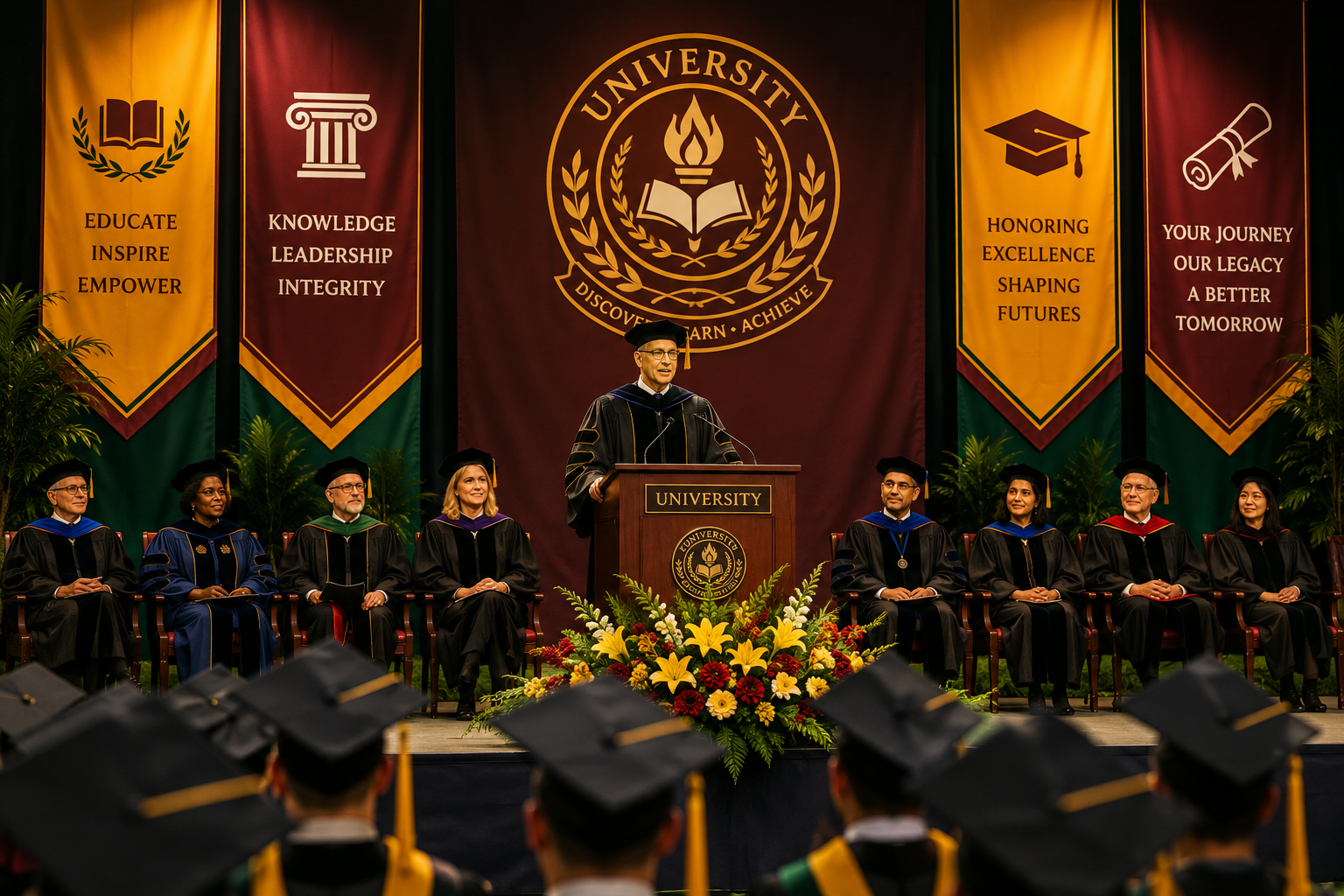
Top 10 Most Famous Honorary Doctorate Recipients
Media mogul and philanthropist Oprah Winfrey has received numerous honorary degrees, including from Duke University and Harvard University. Her honorary doctorates recognize her decades-long impact on media, education, and philanthropy, particularly through initiatives supporting girls' education in South Africa.
The former South African president and anti-apartheid icon received honorary doctorates from over 50 universities worldwide, including the University of Massachusetts and the University of Glasgow. His honors reflect his global legacy as a symbol of freedom, reconciliation, and human rights leadership.
Poet and civil rights activist Maya Angelou received more than 30 honorary degrees during her lifetime, despite never completing a traditional college education. Her honorary doctorates recognized her literary contributions and her powerful voice in American civil rights history.
Television host and comedian Stephen Colbert received an honorary doctorate from Northwestern University. Universities have honored him for his influence on political satire, media literacy, and public discourse in modern entertainment.
Legendary filmmaker Steven Spielberg holds honorary doctorates from institutions such as Yale University. His honors recognize his transformative contributions to cinema and storytelling across decades of filmmaking.
Author J.K. Rowling received an honorary doctorate from Harvard University, where she also delivered a widely celebrated commencement speech. Her honor reflects her cultural impact through literature and her influence on generations of young readers.
Archbishop Desmond Tutu, a Nobel Peace Prize laureate, received honorary doctorates from institutions including Columbia University. His degrees honor his role in ending apartheid and his lifelong advocacy for justice and reconciliation.
One of the most acclaimed actresses in film history, Meryl Streep has received honorary doctorates from several universities, including Dartmouth College. These honors recognize her extraordinary contributions to the performing arts.
Astronaut Neil Armstrong, the first person to walk on the moon, received honorary doctorates from multiple universities in recognition of his historic contributions to science, aerospace engineering, and human exploration.
Civil rights leader Dr. Martin Luther King Jr. received numerous honorary doctorates during and after his lifetime, including from institutions such as Yale University, in recognition of his leadership in the American civil rights movement.

Why Do Universities Award Honorary Doctorates?
Universities award honorary doctorates for several key reasons:
How Are Honorary Doctorate Recipients Chosen?
Criteria | Description |
Impact | Significant contribution to society, culture, or science |
Reputation | Positive public standing and integrity |
Relevance | Connection to the university's values or academic focus |
Committee Review | Nomination and approval by a faculty or board committee |
The selection process typically involves nominations from faculty, alumni, or trustees, followed by a formal review committee that evaluates the nominee's achievements before the university's governing board grants final approval.
From civil rights leaders to award-winning artists, the recipients of honorary doctorates represent some of the most influential figures in modern history. These honors go beyond academic credentials; they celebrate real, lasting contributions to society. Whether it's Nelson Mandela's fight for justice or J.K. Rowling's impact on literature, each honorary doctorate tells a story of achievement worth recognizing.
If you're interested in exploring more about honorary degrees and academic honors, keep following resources dedicated to doctoral degrees and recognition in higher learning.
1. What is the difference between an honorary doctorate and a regular PhD?
A regular PhD requires years of coursework, research, and a dissertation defense. An honorary doctorate is awarded without these academic requirements, purely in recognition of a person's achievements or contributions.
2. Can someone use "Dr." after receiving an honorary doctorate?
This varies by country and institution. In some places, it's considered acceptable in informal contexts, but it is generally not used in professional, medical, or academic settings where a research-based doctorate is expected.
3. Who decides who receives an honorary doctorate?
A university committee, often involving faculty and the board of trustees, reviews nominations and approves recipients based on their achievements and relevance to the institution.
4. Do honorary doctorate recipients pay for the degree?
No. Honorary doctorates are not purchased; they are awarded freely by the university as a form of recognition.
5. Can honorary doctorates be revoked?
Yes. Universities can and have revoked honorary doctorates if a recipient's later actions damage the institution's reputation or violate its values.
 by PhD Duniya